info@ciyanet.org
+855 97 913 3330
St.460, Toultumpoung 2, Phnom Penh
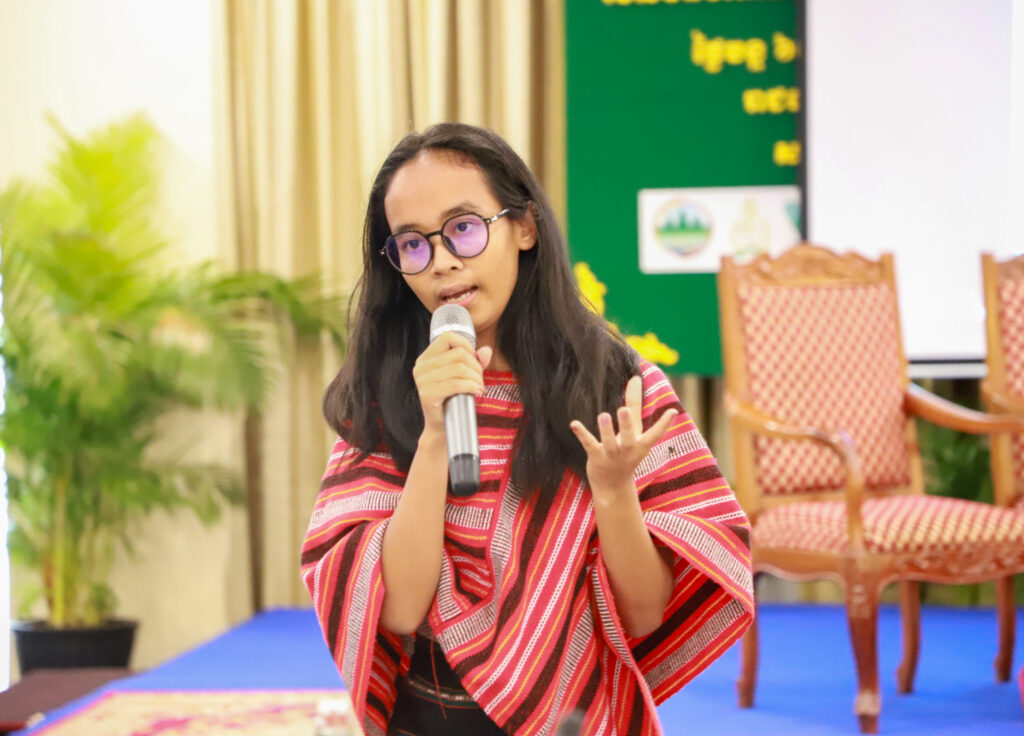
Sam At Rachana is a Bunong Indigenous researcher from Mondulkiri province, Cambodia and an active member of the Cambodia Indigenous Youth Association (CIYA). Her work focuses on Indigenous Peoples’ rights, Indigenous knowledge systems, and community-based research. Through her academic, professional, and international experiences, she has become one of a growing number of Indigenous researchers working to ensure that Indigenous communities can tell their own stories and document their own knowledge.
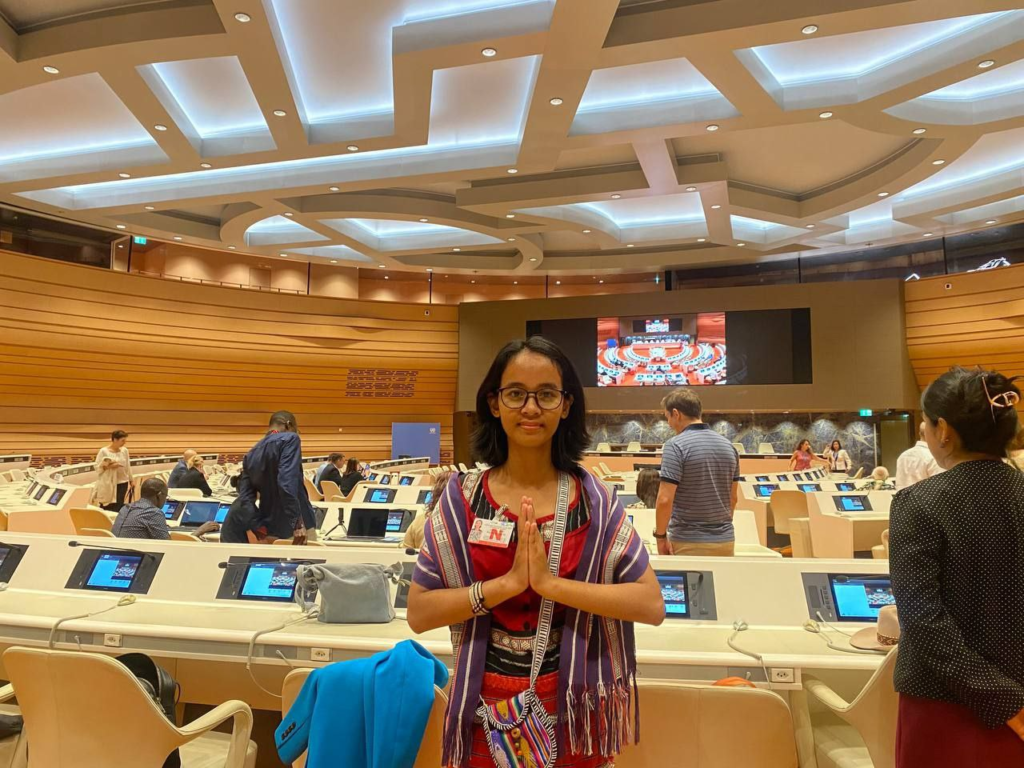
After completing high school, Rachana received scholarships from the Government of Canada and the Government of Sweden to pursue higher education in law. She graduated from the Royal University of Law and Economics with degrees in both Khmer Law and the English Language Based Bachelor of Law Programme (ELBBL), specializing in national and international law. During her studies, she developed a strong foundation in human rights, Indigenous Peoples’ rights, and the relationship between law, culture, and environmental protection, which continues to shape her current research work.
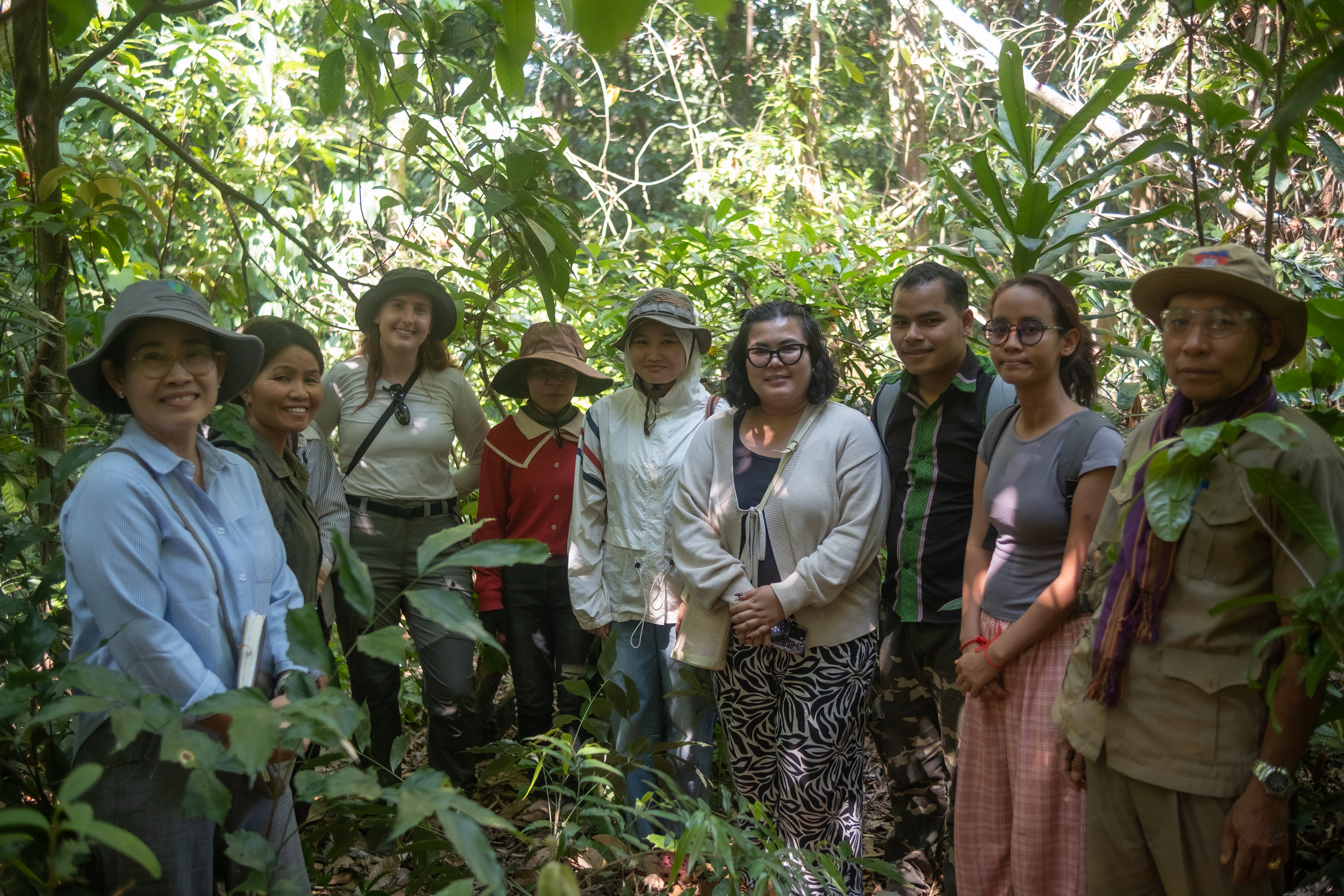
Rachana is currently the Lead Researcher from the Cambodia Indigenous Peoples Organization (CIPO) for the project “Recognising Indigenous Knowledge for the Sustainable Management and Use of Biodiversity,” a UK-funded research initiative implemented in collaboration with the University of Oxford, Monash University, the Wildlife Conservation Society (WCS), and the Royal University of Agriculture (RUA). Working closely with three Bunong Indigenous communities, she helps document traditional knowledge, governance systems, and ways of life that have contributed to the sustainable management of forests and biodiversity for generations. For Rachana, this work is particularly meaningful because Indigenous Peoples in Cambodia have often been the subjects of research rather than the researchers themselves. She believes Indigenous communities should play a leading role in documenting their own histories, cultures, and knowledge systems. As many Indigenous elders and knowledge holders age, preserving this knowledge has become increasingly urgent.
Beyond her research, Rachana has represented Indigenous perspectives in international spaces. She has participated in the United Nations Expert Mechanism on the Rights of Indigenous Peoples (EMRIP) in Geneva and was selected as a UN Indigenous Fellow. She was also selected as a Young Southeast Asian Leaders Initiative (YSEALI) Fellow in the United States, where she studied environmental issues, climate change, and Indigenous perspectives on sustainability. She has also participated in regional Indigenous forums, contributing to discussions on Indigenous rights and inclusion across Asia-Pacific.
Looking ahead, Rachana hopes to see greater recognition of Indigenous Traditional knowledge by governments, academic institutions, and the global community. She believes Indigenous ways of living hold valuable lessons for biodiversity conservation, climate resilience, and sustainable development. She is also passionate about encouraging more Indigenous youth to pursue research and document the knowledge, cultures, languages, and histories of their communities for future generations.
Through her work, Rachana continues to demonstrate that Indigenous knowledge is not only a part of the past, but an essential contribution to the future.
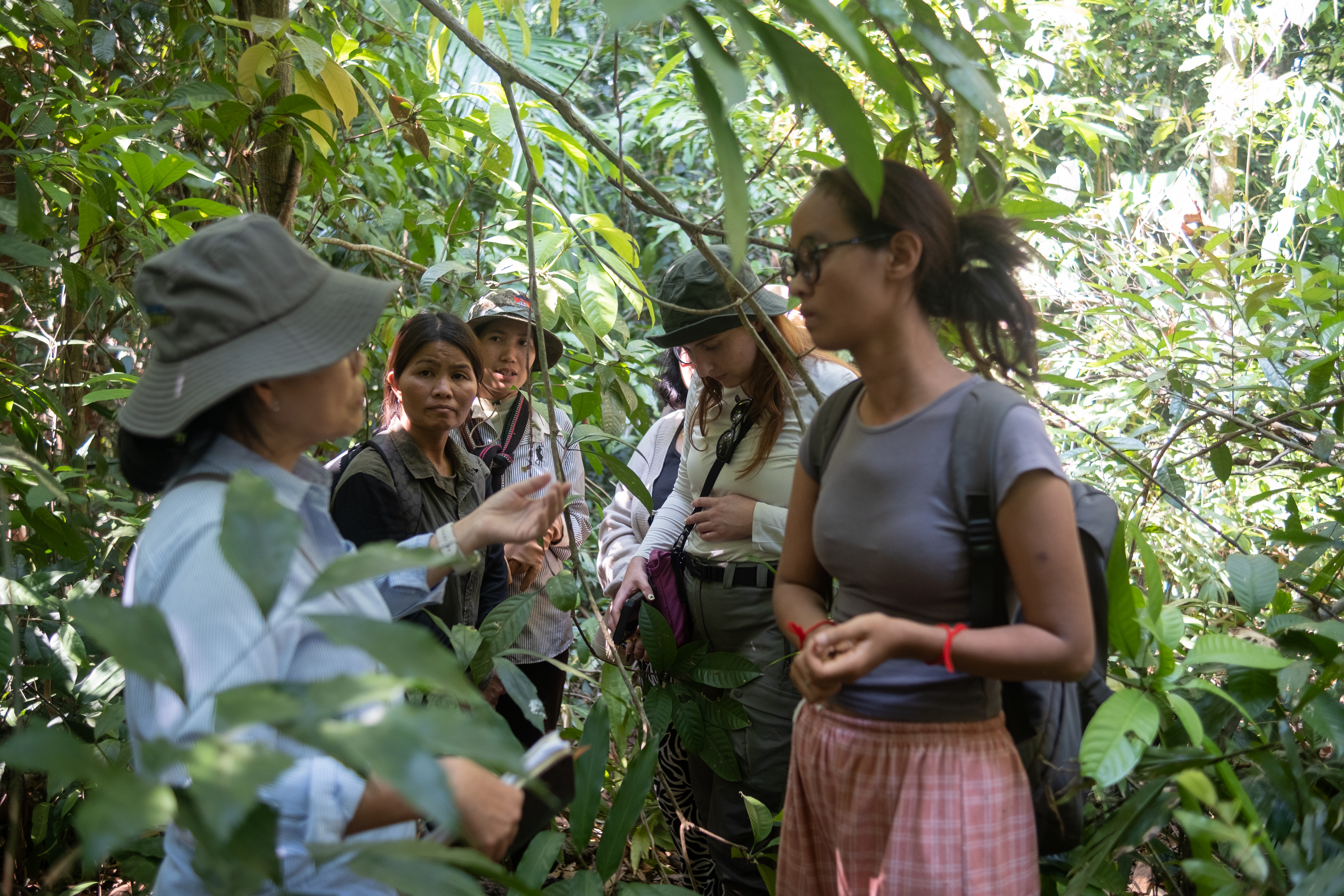
Beyond her professional responsibilities, Rachana remains actively engaged in supporting Indigenous youth development through the Cambodia Indigenous Youth Association (CIYA). Recognizing the importance of English language skills in expanding educational and professional opportunities, she has helped connect volunteer English teachers, including foreign educators, with Indigenous students to provide free English lessons. Through these efforts, she hopes to support the next generation of Indigenous youth in accessing higher education, international opportunities, and broader learning experiences.
Rachana believes that empowering Indigenous youth requires not only protecting traditional knowledge and culture, but also ensuring that young people have access to the skills, education, and opportunities needed to pursue their aspirations and contribute to their communities in meaningful ways.
The Association envisions that Indigenous peoples have access to quality education, foster strong solidarity, and achieve prosperity. It is committed to safeguarding their rights to use and protect their land, natural resources, culture, traditions, and identity, ensuring they can live with dignity and harmony on their ancestral lands.